
How Often Does a Septic Tank Need Cleaning?
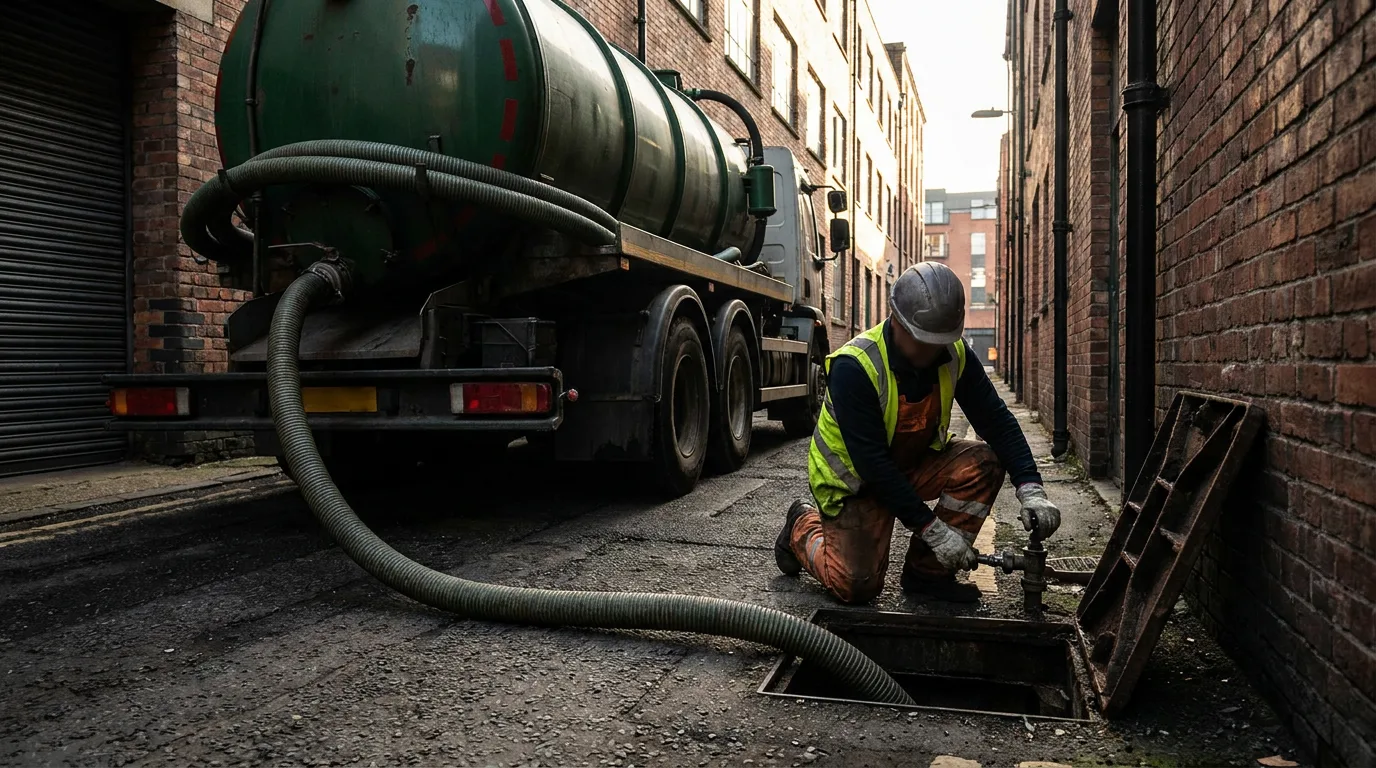
Three to five years is the baseline, and it comes straight from tank size and household size, nothing more mysterious than that. A single person in a big tank stretches that interval. A family of six in an undersized tank shortens it fast. If you have never had yours checked, that is the first sign you are overdue, and septic tank cleaning should go on the calendar now rather than after a backup. Grease trap owners work on a different clock entirely: a grease interceptor gets pumped once fats, oils, grease and solids reach 25 percent of the liquid depth, which for a busy Irving restaurant kitchen can mean monthly service. Homes and restaurants are not the same math. If you are budgeting, septic tank pumping cost breaks down what drives the price up or down, and our septic pumping service page covers what a visit actually looks like start to finish.
What Are the Warning Signs I Need Pumping Sooner?
Slow drains in more than one fixture at once, gurgling toilets and a wet, spongy patch over the drain field are the three signs to take seriously. Standing water near the tank lid means the tank is already full or the field is failing. Sewage odor indoors, especially after heavy rain, is another one Irving homeowners report often. Full details live on septic tank warning signs, and if you are seeing more than one of these at the same time, treat it as urgent rather than something to schedule next month. Emergency septic service exists for exactly that situation, and waiting rarely makes the job cheaper.
What Does a Pumping Visit Cost in Irving?
Pricing depends on tank size, access and how much material has to come out. Here is what a standard visit runs against a short holding tank rental, for comparison:
| service | duration | typical price |
|---|---|---|
| septic pumping | day | $250 |
| septic pumping | weekend | $100 |
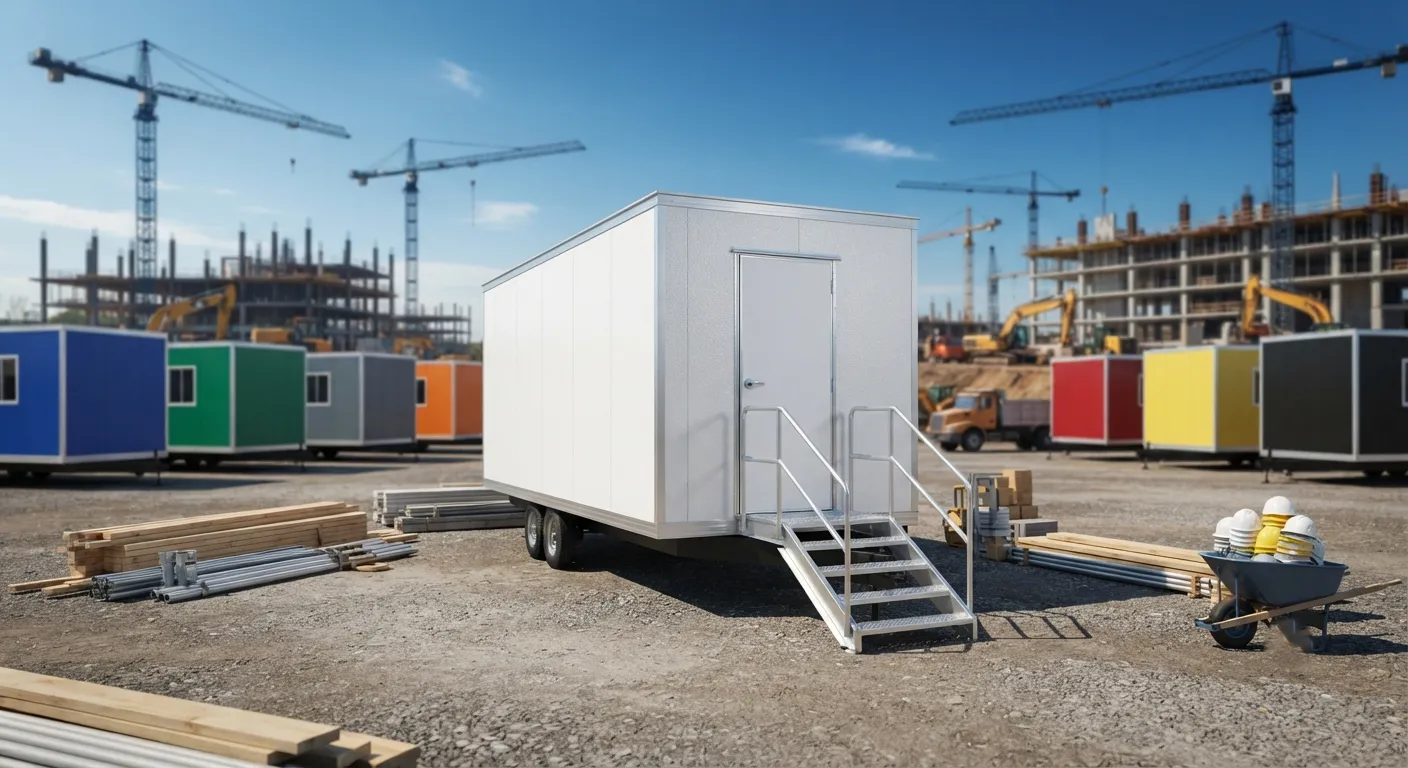
A weekend septic call runs higher than a standard weekday appointment, since it is scheduled outside normal routes. If you are between pump-outs and need a temporary solution, a holding tank rental bridges the gap. Commercial kitchens asking the same "how often" question about grease should look at grease trap pumping instead, since the interval is driven by usage, not years. For the full cost breakdown by tank size and drive distance, septic tank pumping cost has the specifics.
Why Does Pumping Frequency Vary So Much Between Houses?
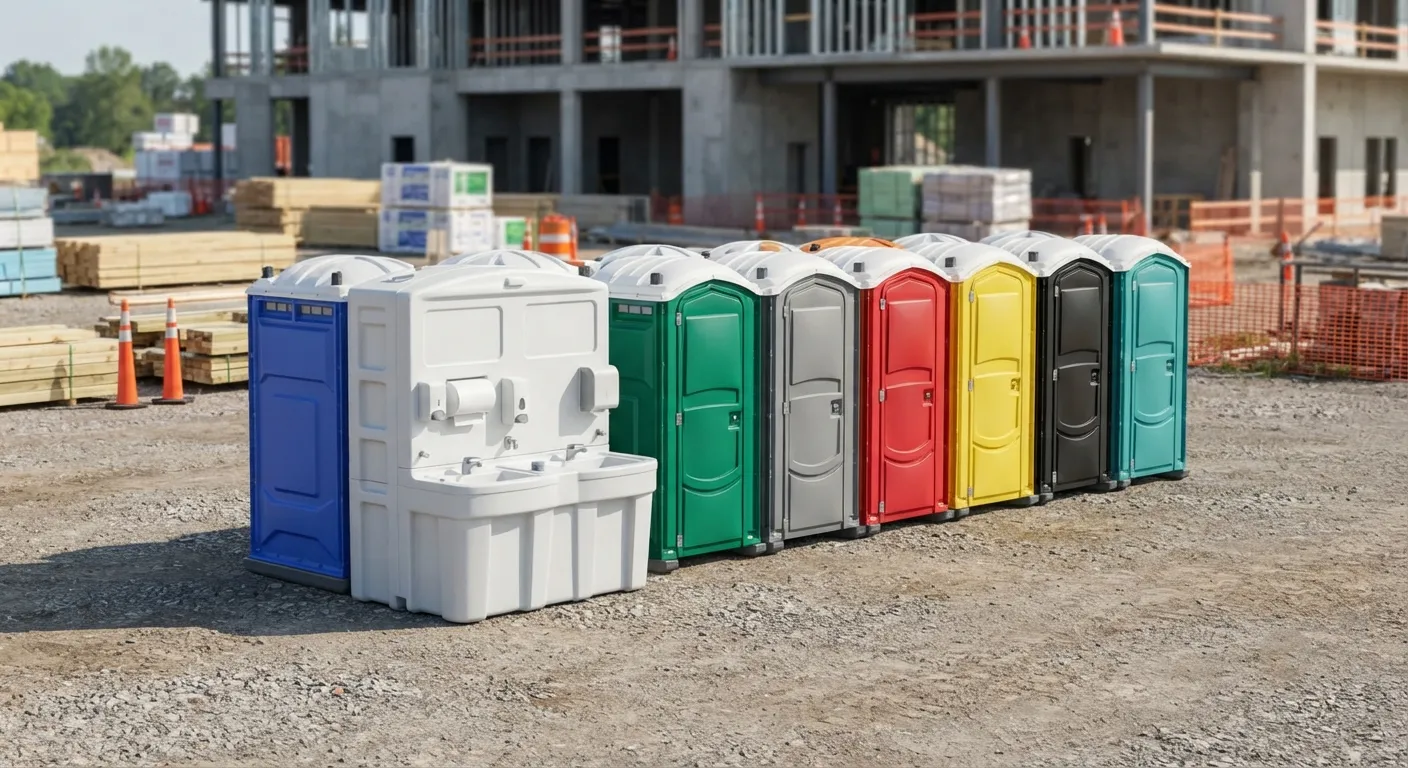
Two houses with identical tanks can need pumping at completely different rates because occupancy, garbage disposal use and water softener discharge all load the tank differently. A family running a garbage disposal daily fills solids faster than one that composts. Homes on well water with heavy iron content can also see faster buildup. Irving sits inside a service radius that stretches to Coppell 8.7 miles north, Farmers Branch 11.3 miles northeast and Carrollton 14.2 miles northeast, and crews routing through those areas see the same variation house to house regardless of city line. If your property backs up to older infrastructure, get septic tank warning signs bookmarked and check it seasonally. New construction and renovation projects generate their own sanitation math separate from tank pumping. If you are renovating and need interim facilities, home renovation porta potty covers short-term rental, and full-scale builds should look at construction site services for the whole package, including construction dumpster rental and temporary fence rental if the site needs to be secured. Crews on those job sites still need toilets sized to OSHA 1926.51(c), which sets ratios starting at one facility for 20 workers or fewer, a rule worth reviewing on OSHA portable toilet requirements before you order equipment. For agricultural properties in the Irving area running hand-labor crews, a related standard, OSHA 1928.110, sets one field sanitation facility per 20 employees within a quarter mile walk, which is worth knowing if your property doubles as a working farm; see farm and agricultural restrooms for that setup.
How do I know what size tank I have?
Check your last permit record or ask the installer who put it in. Most residential tanks run 1,000 gallons, but some older Irving homes have smaller tanks that need pumping closer to the 3 year mark. If you cannot find records, a pump-out visit will measure it for you.
Can I extend the time between pumpings?
Yes, within limits. Cutting garbage disposal use, spacing out laundry loads and avoiding harsh chemicals down the drain all reduce solid buildup. None of that replaces pumping entirely, it just stretches the interval toward the 5 year end rather than the 3 year end.
Does a bigger household always mean more frequent pumping?
Generally yes, since more people means more wastewater and faster solid accumulation. A 1,000 gallon tank serving two people behaves very differently than the same tank serving six. Tank size relative to occupancy matters more than either number alone.
What happens if I skip pumping too long?
Solids overflow into the drain field, which can clog the leach lines permanently. That turns a routine pump-out into a drain field repair, a far more expensive fix. Watch for the signs on septic tank warning signs before it gets there.
Is grease trap pumping the same schedule as septic tanks?
No. Grease traps get pumped based on how full they are, at 25 percent fats, oils and grease by depth, not on a yearly calendar. Commercial kitchens often need grease trap pumping monthly, far more often than a home septic tank.
Next step
Get a delivery date
Tell us the address, the dates and the headcount. We size the order and confirm the route.