What Do We Set Up First During a Disaster Response?
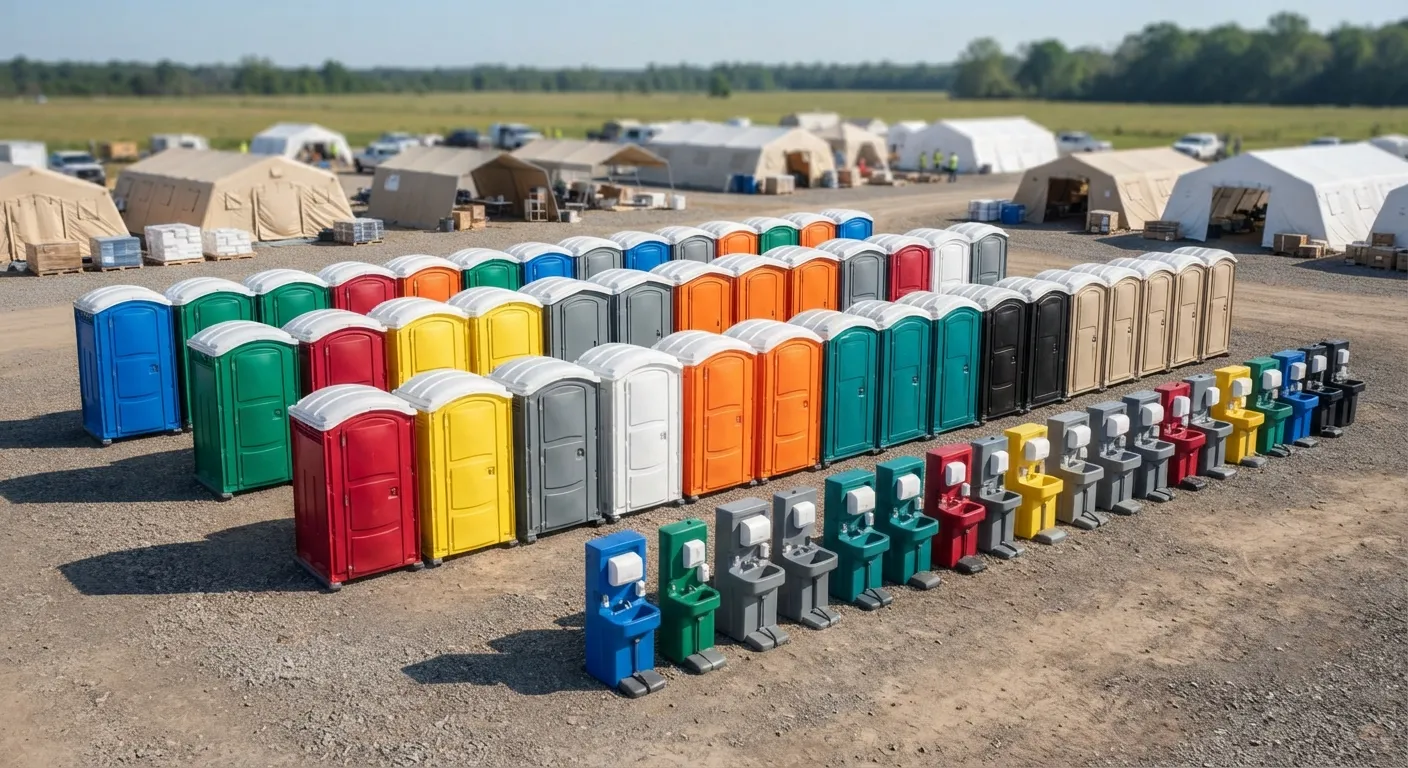
Water and toilets, in that order. OSHA 1926.51(a)(1) calls for an adequate supply of potable water at any active work location, and that standard does not disappear because the grid is down. Shelters, command posts and debris-staging lots in Irving all need handwashing station rental alongside portable toilet rental, because a toilet without a place to wash hands fails the basic sanitation chain fast. We often pair a portable sink rental with each restroom cluster rather than relying on gel alone, since 29 CFR 1910.141(d)(2) requires soap and towels or a hand-drying device at any washing facility, and hand sanitizer does not satisfy that rule. For a shelter housing more than a handful of people, how many porta potties do i need becomes the first real planning question, and OSHA 1926.51(c) gives the baseline ratio construction crews use: one toilet for 20 workers or fewer, then one seat and one urinal per 40 up to 200. Disaster response crews and volunteer teams often mirror that ratio even though it was written for job sites, because nobody has written a better one for emergency shelters. If the response includes agricultural land east toward Farmers Branch, 11.3 miles northeast, OSHA 1928.110 sets a separate field sanitation rule of one facility per 20 hand-labor employees within a quarter mile walk. We also stage temporary fence rental around debris piles and staging equipment, since a chaotic disaster site draws foot traffic that a fenced perimeter keeps out.
How Fast Can Irving Porta Pros Deliver After a Storm?
Speed depends on road access and how many units the response needs, but a standard unit rented by the day runs 100 to 350 dollars and that flexibility matters when nobody knows yet how long the response will last. Our emergency porta potty rental service exists for exactly this gap between "the storm just passed" and "we have a real recovery plan." A roll-off delivery needs about 60 feet of straight clearance behind the truck, which matters on a debris-choked street in Irving where downed limbs and flooded curbs narrow the path. We check that clearance before dispatch rather than after a truck gets stuck. Debris removal itself falls under roll-off dumpster rental, and OSHA 1926.252 covers disposal of waste materials including chutes and enclosures, a rule that matters once storm debris starts piling faster than crews can haul it. For sites without existing power, a temporary power pole or light tower rental keeps a staging area lit and running generators safely; OSHA 1926.404(b)(1)(ii) requires ground fault circuit interrupter protection on any construction-style electrical setup, disaster or not. We serve Irving directly and have handled response staging as far as Coppell, 8.7 miles north, and Euless, 9.3 miles west, so a multi-site response spanning several cities is not unusual for us.
Can a Disaster Site Use the Same Units as a Job Site?
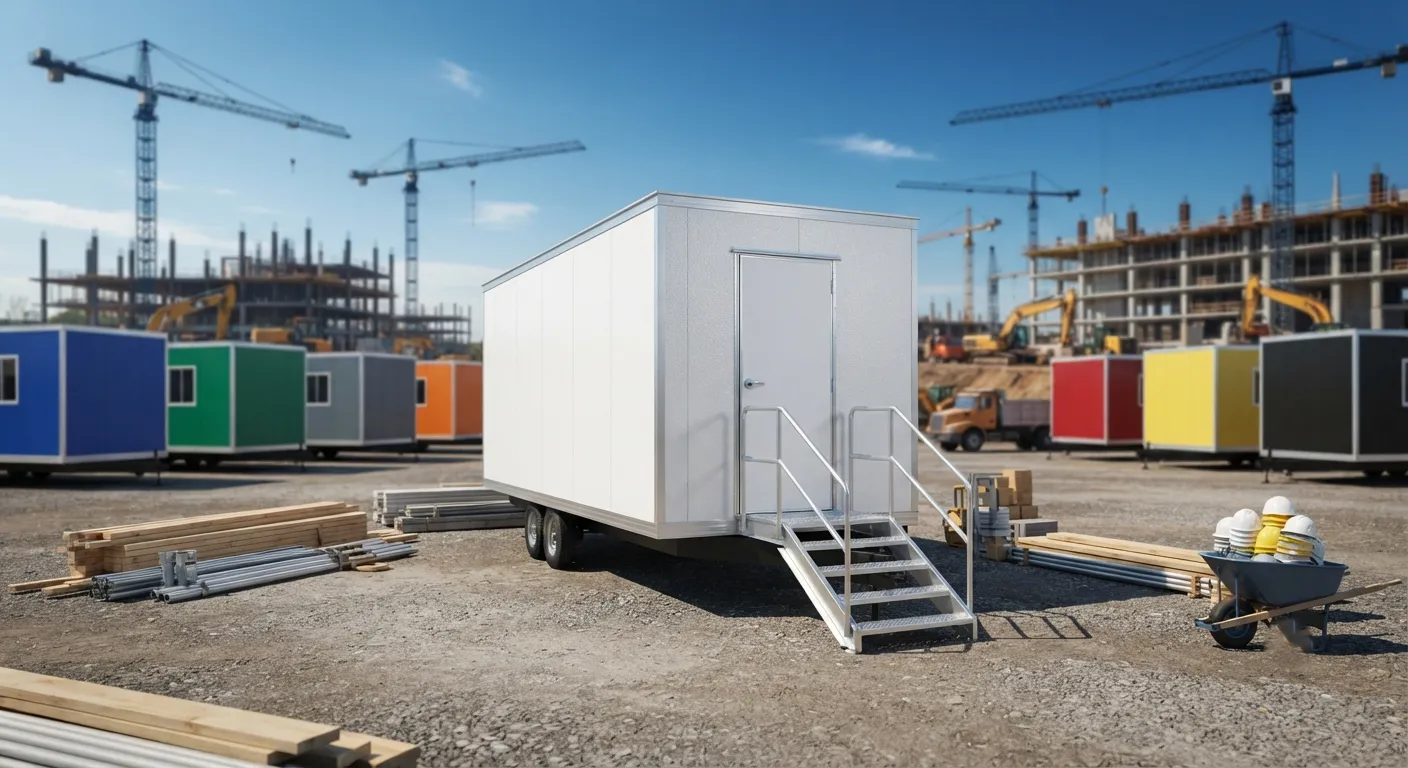
Yes, and most of ours already are job-site units repurposed for emergency use, so the same delivery trucks and service schedules apply. A standard porta potty rental holds 60 to 70 gallons in its tank and stands about 92 inches tall on a footprint of roughly 44 by 48 inches, small enough to fit into a shelter parking lot without eating up staging space needed for supply trucks. ANSI/PSAI Z4.3 sets one service visit per week for up to 10 users over a 40 hour week as the baseline pumping interval, but a disaster response with hundreds of displaced residents cycling through a shelter needs servicing far more often than that baseline assumes, and we adjust the schedule accordingly rather than sticking to a number that does not fit the situation. Accessibility does not get suspended during an emergency either. ADA Standards section 213.2 requires that at least 5 percent of a cluster of single-user units be accessible, with a minimum of one, so a shelter running a dozen units still needs an ada accessible porta potty in the mix. If the response runs long enough to need showers, a shower trailer rental or full restroom trailer rental is worth adding once the immediate crisis stabilizes. Septic systems knocked offline by flooding may also need a holding tank rental or an emergency septic service call before normal pumping resumes.
How quickly can units arrive after we call?
Response time depends on truck availability and road conditions, which storms often complicate. We prioritize disaster dispatch ahead of routine scheduling. Call as soon as the need is confirmed rather than waiting for a full headcount; we can adjust the unit count once trucks are already rolling toward the site.
Do you deliver to shelters outside Irving city limits?
Yes. We have handled sites toward Grapevine, 10.6 miles northwest, and Carrollton, 14.2 miles northeast. Distance affects the delivery fee, which runs from about 100 to 500 dollars depending on timing and location, but it does not stop us from responding.
What happens if flooding affects a septic system nearby?
A flooded septic system can back up fast, and a septic pumping service call is the right first step. Residential tanks are normally pumped every 3 to 5 years, but flooding accelerates the timeline regardless of that schedule.
Can you supply units for a multi-week recovery operation?
Yes. A monthly porta potty rental runs 125 to 325 dollars per standard unit, and pricing improves as the response stretches from days into weeks. Long recoveries also often add storage container rental for supplies and equipment.
Is hand sanitizer enough for a disaster shelter?
No. 29 CFR 1910.141(d)(2) requires soap and towels or a hand-drying device at washing stations, and sanitizer alone does not meet that standard. A proper handwashing requirements setup with running water and soap protects a crowded shelter far better than gel stations alone.

Next step
Get a delivery date
Tell us the address, the dates and the headcount. We size the order and confirm the route.